

Can a Sectional Sofa Be Separated? A Practical Guide for Flexible Living Room Design
A sectional sofa is one of the most versatile seating solutions available for modern homes. Designed to provide comfort, generous seating, and layout flexibility, sectionals have become a popular centerpiece for today’s living spaces. Whether you are furnishing a family room, apartment, or open-concept home, a well-chosen sectional can adapt to your lifestyle in ways a traditional living room sofa or living room sofa and loveseat combination often cannot.
At Feige’s Interiors, helping homeowners choose furniture that balances craftsmanship, durability, and everyday functionality has been part of our tradition for more than 160 years. Founded in 1854 by cabinetmaker Englehardt Feige, the business grew into a respected furniture manufacturer known as The Feige Brothers. Today, Feige’s continues that legacy by helping customers select furniture that enhances their homes while providing lasting comfort.
One question we frequently hear from homeowners considering a living room sectional sofa is simple: Can a sectional sofa be separated? The answer is often yes. Many sectionals are intentionally designed with modular components that can be rearranged or separated entirely. This flexibility allows homeowners to adapt seating layouts as their needs change—whether they want a large living room sofa set, a smaller seating arrangement, or even a temporary sleeping space for guests.
In this guide, we’ll explain how sectional sofas can be separated, how to rearrange them effectively, and how to use the individual pieces to create multiple functional seating layouts in your home.
Why Sectional Sofas Are Designed to Be Flexible
Unlike a traditional living room sofa loveseat set, which typically includes fixed pieces that remain in a single arrangement, a sectional sofa is often constructed from multiple independent units. These pieces connect with clips, brackets, or alignment hardware to keep them secure during everyday use.
This modular design offers several advantages:
- Greater seating capacity compared with traditional living room sofas
- Flexible configurations for different room layouts
- Easier movement during home rearrangements
- The ability to expand or reduce seating as needed
Because of this adaptability, sectional sofas are particularly popular in modern homes where living spaces often serve multiple purposes—such as entertaining, relaxing, or watching television.
Can Sectional Sofas Be Separated?
Yes, many sectional sofas can be separated into individual components. However, the method depends on how the sectional was originally constructed.
There are generally two common connection systems used in sectional sofas.
Sliding Connector Systems
Some sectionals use interlocking metal brackets that allow pieces to slide together and lock into place. These are common in modular designs because they allow homeowners to easily rearrange seating.
To separate the pieces:
- Locate the connection point between the sections.
- Lift one piece slightly upward.
- Slide the sections apart.
This type of system is often used in contemporary living room sectional sofa designs intended for frequent rearranging.
Screws, Bolts, or Hardware Connections
Other sectionals are secured with screws or bolts for added stability. These are often found in larger sectionals or reclining configurations.
To separate these pieces:
- Turn the sectional section slightly to access the connectors.
- Use a screwdriver or wrench to loosen the hardware.
- Carefully remove the pieces.
Always consult the furniture manual if available, since manufacturers may use slightly different hardware systems.
Safe Tips for Separating a Sectional Sofa
Because sectional sofas are typically larger and heavier than traditional living room sofa set pieces, separating them requires care.
Follow these practical tips:
Ask for assistance
Large sectional components can be heavy. Having another person help you move the pieces prevents injury and protects the furniture.
Protect your flooring
Place furniture sliders under the feet before moving sections to prevent scratches or drag marks.
Check the connectors first
Understanding how the sections are attached prevents unnecessary force that could damage the frame or connectors.
Move pieces slowly
Avoid twisting the furniture during separation, which could weaken frame joints.
These simple precautions will help keep both your sectional and your flooring in excellent condition.
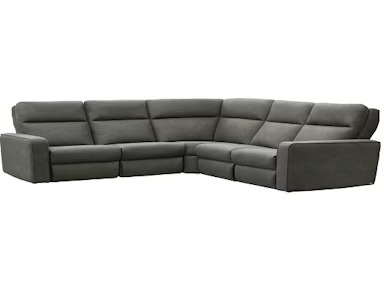
Creative Ways to Rearrange a Sectional Sofa
One of the biggest advantages of a sectional sofa is the ability to reconfigure it to suit your living space. After separating the pieces, you can experiment with several seating layouts depending on the size and purpose of the room.
Below are some practical arrangement ideas homeowners commonly use.
1. Coffee Area Seating
If your home includes a small conversation area, sectional pieces can easily be rearranged to create a comfortable coffee seating arrangement.
Instead of maintaining one large seating structure, separate the pieces and arrange them around a coffee table. This approach creates a casual conversation zone that feels more intimate than a large sectional layout.
This configuration works especially well in rooms where a full living room sofa loveseat set might feel too structured.
2. Create a TV Viewing Corner
Another popular arrangement involves building a comfortable TV viewing space.
For example:
- Place one large section facing the television.
- Add a chaise or corner piece to form an L-shaped layout.
- Position smaller pieces at angles to create a theater-style seating experience.
This layout works well for families who want both comfort and clear sightlines while watching movies or sports.
3. Use One Section as the Main Sofa
In many homes, the largest sectional component can function as a primary living room sofa.
Once separated, you can:
- Use the main piece as your primary couch
- Place a second piece as a loveseat
- Move additional pieces into other rooms
This approach essentially converts the sectional into a living room sofa and loveseat arrangement, giving you multiple seating areas while maintaining a consistent design style throughout your home.
4. Create Accent Seating Around the Room
Smaller sectional components can also be used as standalone seating pieces.
For example:
- Place one piece near a window reading area
- Position another section across from the main sofa
- Use accent pillows or throws to define each seating zone
This method helps large rooms feel balanced while still maintaining the comfort of sectional seating.
5. Use Sectional Pieces as Ottomans or Lounge Seats
Some modular sectional components can function similarly to ottomans or lounge seating.
When arranged creatively, these pieces can:
- Serve as additional footrests
- Provide flexible seating during gatherings
- Add visual interest to the room
Because sectional units are often upholstered in the same fabric, they maintain a cohesive look even when placed separately.
6. Create a Temporary Guest Bed
One unexpected benefit of sectional furniture is the ability to create a temporary sleeping surface for guests.
By placing several sectional sections together in a flat configuration, you can create a surprisingly comfortable makeshift bed. Adding blankets or mattress toppers can make the surface even more comfortable.
This flexibility can be especially useful for homes that do not have a dedicated guest bedroom.
When a Sectional Sofa Works Best
While sectional sofas offer many benefits, they are particularly well-suited for certain types of homes and living rooms.
A sectional may be the best choice if:
- Your living room is large or open-concept
- You regularly host gatherings
- You want more seating than traditional living room sofas
- You prefer flexible furniture arrangements
For smaller rooms, modular sectionals can still work effectively, especially if the pieces can be separated and rearranged when needed.
How to Choose the Right Sectional Sofa
If you are considering adding a sectional to your home, a few important factors can help ensure you select the right model.
Measure Your Space
Before purchasing any living room sectional sofa, carefully measure:
- Room width and depth
- Walkways and traffic paths
- Doorways and hallways for delivery
This step helps prevent the common mistake of purchasing a sectional that overwhelms the room.
Consider Your Lifestyle
Think about how the furniture will be used daily.
Households with children or pets may benefit from:
- Durable performance fabrics
- Stain-resistant upholstery
- Supportive cushions
Choose a Layout That Fits the Room
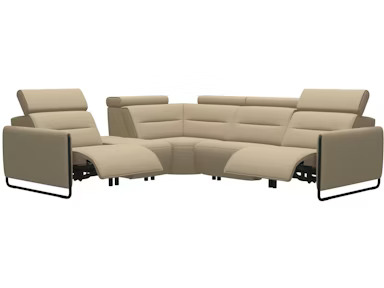
Common sectional configurations include:
- L-shaped sectionals
- U-shaped sectionals
- Modular sectionals
- Chaise sectionals
Each style works best in different room layouts.
Select High-Quality Construction
A well-built sectional should include:
- Hardwood frames
- Reinforced joinery
- Durable upholstery materials
Quality construction ensures your living room sofa set maintains comfort and support for years.
Why Expert Guidance Matters
Choosing the right sectional is about more than simply selecting a style. Factors such as room layout, seating needs, and upholstery durability all play an important role in long-term satisfaction.
Working with experienced furniture professionals can help homeowners avoid common mistakes and select pieces that truly fit their homes.
At Feige’s Interiors, our design team helps customers evaluate room dimensions, furniture scale, and design preferences so they can select a sectional that works both aesthetically and functionally.
FAQs About Sectional Sofas
Can all sectional sofas be separated?
Not all sectionals are designed to separate, but many modern modular sectionals are built with connectors that allow individual pieces to be detached and rearranged.
How do I know if my sectional sofa can be taken apart?
Check the connection points between sections. If the pieces are joined with brackets, clips, or bolts, the sectional can usually be separated by lifting or loosening the connectors.
Are modular sectional sofas better than traditional sofas?
Modular sectionals provide greater flexibility than traditional sofas because they allow homeowners to change layouts as needed. However, traditional sofas may work better in smaller rooms where space is limited.
Can sectional pieces be used in different rooms?
Yes. Many homeowners separate sectional components and use them as individual seating pieces in different rooms while maintaining a coordinated design style.
Are sectional sofas good for small living rooms?
They can be, especially if you choose a compact modular design. Separating pieces or selecting a chaise sectional can help maximize seating without overcrowding the space.
Final Thoughts
A sectional sofa is one of the most versatile pieces of furniture you can add to your home. Its modular design allows homeowners to adapt their space to changing needs.
With thoughtful arrangement, sectional furniture can function as a full living room sofa set, flexible seating for entertaining, or even a temporary guest bed when needed. The key is understanding how the pieces connect and how they can be arranged to best suit your room layout.
At Feige’s Interiors, we believe furniture should combine craftsmanship, comfort, and adaptability. If you are considering adding a sectional sofa to your home, visiting our showroom or speaking with our design team can help you explore the many styles, configurations, and materials available so you can choose one that perfectly complements your living space.