

How Many Years Should a Recliner Last? A Complete Buyer’s Guide from Feige’s Interiors
When investing in a quality recliner, most homeowners ask the same important question: how many years should a recliner last? At Feige’s Interiors, a company with more than 160 years of furniture expertise, we believe durability, comfort, and craftsmanship should always justify your investment—especially when considering trusted brands like the La-Z-Boy recliner.
Recliners are more than just chairs. They are places of rest, recovery, and relaxation. Whether you’re watching TV, reading, managing back pain, or simply unwinding after a long day, the recliner you choose plays a critical role in your daily comfort and long-term satisfaction.
As Michigan’s first furniture store, founded in 1854 by cabinetmaker Englehardt Feige, Feige’s Interiors has witnessed generations of furniture craftsmanship evolve. From hand-built wooden frames to today’s precision-engineered comfort technology, we’ve helped customers choose furniture that lasts—and we bring that experience into this guide to help you make an informed decision.
Why Recliner Lifespan Matters
Furniture is a long-term investment. While decorative accent chairs may be replaced for style or trend updates, a recliner is often used daily and must withstand years of movement, body weight, and mechanical operation. Because of this frequent use, understanding recliner lifespan is essential when choosing the right piece for your home.
A recliner’s lifespan directly impacts several important factors:
- Comfort consistency: A well-built recliner maintains its cushioning, frame integrity, and reclining mechanism over time, ensuring long-lasting comfort without sagging or uneven support.
- Overall value for money: Recliners that last longer provide a better return on investment by reducing the need for frequent replacements and minimizing long-term furniture expenses.
- Health and posture support: Durable recliners retain their ergonomic design, helping support proper posture, reduce pressure on the spine and joints, and promote healthier seating habits.
- Maintenance and replacement costs: High-quality recliners typically require fewer repairs and extend the time before replacement, lowering ongoing maintenance costs and unexpected expenses.
Understanding how long a recliner should last—and what influences its longevity—helps ensure you choose wisely and invest in furniture that truly supports your comfort and lifestyle for years to come.
How Long Does a Recliner Last on Average?
On average, a well-made recliner can last anywhere from 7 to 20 years, depending on its construction quality, materials, frequency of use, and how well it is maintained over time. While all recliners are designed for comfort, not all are built to withstand the same level of daily wear and mechanical movement.
Recliner lifespan varies significantly based on household activity, body weight, and the type of recliner mechanism. Below is a general breakdown to help set realistic expectations:
Typical Recliner Lifespan Breakdown
- 7–10 years:
Recliners used every day—especially in high-traffic households—typically fall within this range. Frequent reclining, sitting, and footrest use place continuous stress on the frame, cushions, and reclining mechanism. Homes with children or pets may also see slightly reduced longevity due to increased wear. - 10–15 years:
Recliners that receive moderate use and are built with quality materials often last well into this range. These chairs usually feature sturdier frames, better cushioning, and more reliable mechanisms. When properly cared for, they maintain both comfort and structural integrity for many years. - 15–20+ years:
Premium recliners crafted with hardwood frames, top-grain leather upholstery, and high-quality steel mechanisms can last two decades or more. These recliners are designed for durability as much as comfort and are typically found among established, reputable furniture brands.
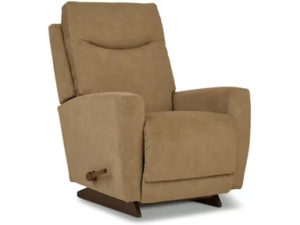
High-end recliners—particularly those produced by trusted manufacturers like La-Z-Boy furniture—consistently perform at the upper end of the lifespan range. When paired with proper care, routine maintenance, and responsible use, these recliners offer exceptional longevity, comfort, and long-term value.
What Determines How Long a Recliner Lasts?
1. Frame Construction
The foundation of any recliner is its frame. Hardwood frames—such as kiln-dried oak or maple—last significantly longer than softwood or composite frames. Poor frame construction often leads to wobbling, creaking, and eventual structural failure.
2. Reclining Mechanism
The mechanism is the most stressed component of a recliner. High-quality steel mechanisms with reinforced joints last far longer than lightweight or plastic alternatives.
3. Upholstery Material
- Leather recliners often last the longest, aging gracefully with proper care.
- High-performance fabrics resist stains and wear better than standard textiles.
- Low-quality fabric tends to pill, tear, or fade within a few years.
4. Cushion Quality
High-density foam retains shape and support longer than low-density foam, which compresses quickly and leads to sagging.
5. Usage & Household Environment
Recliners in homes with children, pets, or heavy daily use naturally experience more wear. Proper placement, usage habits, and maintenance significantly influence longevity.
Are La-Z-Boy Recliners Good?
Yes—La-Z-Boy recliners are widely regarded as some of the most durable and comfortable recliners available today, making them a trusted choice for homeowners seeking long-term value and everyday comfort.
Originally designed with comfort and medical support in mind, the La-Z-Boy recliner has evolved into an iconic piece of American home furniture. Over decades of innovation, the brand has refined its designs to support the body more naturally while offering dependable performance through years of use.
La-Z-Boy recliners are especially well known for their patented reclining mechanisms, which allow smooth, secure movement and multiple resting positions. Combined with thoughtful ergonomic design, these features help reduce pressure on the back, neck, and joints—making La-Z-Boy recliners suitable for both relaxation and extended sitting.
Unlike many mass-produced furniture options, La-Z-Boy furniture prioritizes quality craftsmanship, focusing on:
- Precision engineering that enhances durability and performance
- Ergonomic comfort designed to support proper posture
- Multiple reclining positions to suit different comfort needs
- Long-term durability built to withstand daily use
These qualities have helped La-Z-Boy maintain its reputation as one of the most trusted recliner brands across generations, offering reliability, comfort, and peace of mind to homeowners year after year.
How Long Do La-Z-Boy Recliners Last?
A La-Z-Boy recliner typically lasts 10 to 20 years, with many customers reporting even longer lifespans.
Average La-Z-Boy Lifespan:
- 7–10 years with heavy daily use
- 10–15 years with moderate use
- 15–20+ years with proper care and maintenance
La-Z-Boy furniture is built with reinforced frames, tested reclining mechanisms, and premium upholstery options, all designed to handle regular use without compromising comfort.
Some customers have used the same La-Z-Boy recliner for two decades or more, a testament to the brand’s commitment to craftsmanship.
Signs It’s Time to Replace Your Recliner
Even the best recliners will eventually show signs of wear after years of regular use. Recognizing these warning signs early can help you avoid discomfort, safety issues, and unnecessary repair costs.
Watch for the following indicators:
- Loss of seat support or sagging cushions:
Cushions that no longer rebound or provide even support can lead to discomfort and poor posture, making extended sitting unpleasant. - Reclining mechanism sticking or failing:
Difficulty reclining, uneven movement, or a footrest that won’t lock properly often signals worn or damaged internal components. - Frame creaking or instability:
Persistent noises, wobbling, or shifting can indicate structural weakening, which may affect both comfort and safety. - Visible upholstery damage beyond repair:
Tears, cracking leather, or excessive fabric wear not only detract from appearance but can also expose padding and internal materials to further damage. - Reduced comfort or posture support:
If your recliner no longer supports your back, neck, or legs properly, it may contribute to aches, fatigue, or poor sitting posture.
If your recliner no longer provides the comfort, support, or reliability it once did, replacing it may be the healthier, safer, and more cost-effective choice in the long run.
Why Buy Your Recliner from Feige’s Interiors?
At Feige’s Interiors, furniture expertise isn’t a marketing claim—it’s our history.
Founded in 1854, Feige’s began as Michigan’s first furniture store. Englehardt Feige’s sons expanded the business into The Feige Brothers, a prominent furniture factory. Over more than 160 years, the company has evolved in name and location, but its commitment to quality merchandise, interior design services, and exceptional customer service has never changed.
Today, under the ownership of Art Sample Furniture, Feige’s Interiors continues to offer trusted brands like La-Z-Boy furniture, guided by generations of industry knowledge.
When you shop with Feige’s Interiors, you benefit from:
- Expert product guidance
- Trusted brand partnerships
- Interior design support
- A legacy of quality and service
How to Extend the Life of Your Recliner
With proper care and everyday maintenance, a high-quality recliner can remain comfortable and functional for many years. Small habits can make a significant difference in preserving both appearance and performance.
To get the most from your investment:
- Rotate cushions regularly:
Rotating cushions helps distribute wear evenly, preventing premature sagging and maintaining consistent support over time. - Avoid sitting on arms or footrests:
These areas are not designed to support full body weight and can weaken the frame or reclining mechanism when used improperly. - Keep mechanisms clean and free of debris:
Dust, pet hair, and debris can interfere with smooth operation. Periodic cleaning helps prevent mechanical strain and wear. - Condition leather upholstery annually:
Leather recliners benefit from conditioning to prevent drying, cracking, and fading, helping maintain their appearance and durability. - Follow manufacturer care guidelines:
Each recliner is designed with specific materials and mechanisms, and following recommended care instructions ensures optimal performance and longevity.
Simple, consistent maintenance can add years to your recliner’s lifespan while preserving the comfort and support you expect from a quality piece of furniture.
Final Thoughts: Is a La-Z-Boy Recliner Worth It?
If longevity, comfort, and craftsmanship matter to you, the answer is yes.
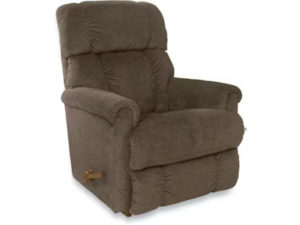
A La-Z-Boy recliner offers exceptional value through durable construction, superior comfort, and proven reliability. When paired with expert guidance from Feige’s Interiors, you can feel confident that your recliner will support your lifestyle for many years to come.
From our beginnings in 1854 to today, Feige’s Interiors remains committed to helping customers find furniture that lasts—and recliners that truly feel like home.
FAQs
FAQ 1: Does body weight affect how long a recliner lasts?
Yes. Recliners are designed to support a range of weights, but consistent use beyond recommended limits can place extra stress on frames, cushions, and reclining mechanisms.
FAQ 2: Are power recliners more likely to break than manual recliners?
Power recliners include electrical components that require proper care, but when well-built and maintained, they are just as durable as manual models and offer added convenience.
FAQ 3: Can a recliner be professionally repaired instead of replaced?
In some cases, yes. Minor mechanical or upholstery issues may be repairable, but extensive frame damage or repeated failures often make replacement the better option.
FAQ 4: Does placement in the room impact recliner longevity?
Yes. Recliners placed too close to walls, windows, or heat sources may experience added wear from restricted movement, sun exposure, or temperature changes.
FAQ 5: How do I know if a recliner is built for long-term use before buying it?
Look for hardwood frames, reinforced mechanisms, high-density cushioning, and reputable manufacturers—along with knowledgeable guidance from a trusted retailer like Feige’s Interiors.