

Ideas for Mirrors in Bedroom: How to Use Mirrors to Transform Space, Light & Style
1. Introduction: The Power of Mirrors in Interior Design
When it comes to ideas for mirrors in bedroom spaces, few design elements offer as much impact with so little effort. At Feige’s Interiors, we’ve seen firsthand how thoughtfully placed mirrors can completely transform a room—making it feel brighter, larger, and more refined without major renovations. Whether you’re styling a cozy apartment or refreshing a spacious master suite, mirrors are one of the most versatile tools in interior design.
Mirrors create the illusion of space, which is especially valuable in smaller rooms. By reflecting both light and surroundings, they visually “double” the perceived size of a space. This is why designers often rely on them as a go-to trick for compact bedrooms and apartments. Beyond bedrooms, similar principles apply when using modern mirrors for the living room to enhance openness.
They are also incredibly popular because they combine function and aesthetics. A mirror is not just practical—it becomes a focal point, a decorative accent, and a light-enhancing feature all at once. The right mirror can elevate your entire home design.
2. Best Mirror Placement Ideas to Expand Space
Strategic placement is the difference between a mirror that simply exists and one that transforms your space. Here are some of the most effective bedroom mirror ideas to maximize visual impact:
Opposite Windows to Reflect Natural Light
Placing a mirror directly across from a window is one of the most powerful techniques. It reflects incoming daylight, instantly brightening the room and creating a sense of openness. This works beautifully in both bedrooms and when styling modern mirrors for living room spaces.
Behind Furniture to Create Depth
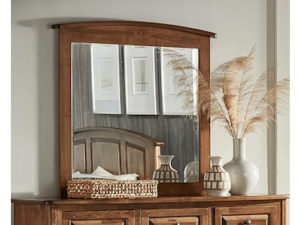
Positioning mirrors behind key furniture pieces—like a bed headboard, dresser, or console—adds dimension and visual layering to the room. This technique works especially well in smaller bedrooms where wall space is limited. By reflecting both the furniture and surrounding décor, the mirror creates a sense of depth that makes the space feel larger without adding physical clutter. For best results, choose a mirror that complements the width of the furniture and keep the reflected area styled neatly to enhance the overall aesthetic.
Along Narrow Hallways to Widen the Look
If your bedroom connects to a narrow hallway or entryway, adding mirrors along one or both walls can visually widen the space. Mirrors reflect light and create the illusion of openness, reducing the boxed-in feeling that hallways often have. This approach is commonly used by interior designers to soften tight transitions between rooms. For a more cohesive look, consider using a series of evenly spaced mirrors or one long horizontal mirror to elongate the space.
Floor Mirrors for Vertical Expansion
Tall, full-length mirrors naturally draw the eye upward, making ceilings appear higher and the room feel more spacious. Leaning a floor mirror against a wall is a modern, low-effort styling choice that adds both function and elegance. This approach works particularly well in minimalist or contemporary interiors, where clean lines and simplicity are key. Placing the mirror near a light source—such as a window—can further enhance brightness while emphasizing vertical space.
3. Using Mirrors to Enhance Light and Brightness
One of the biggest reasons homeowners search for ideas for placing mirrors in their bedrooms is to improve lighting. Mirrors don’t just reflect—they amplify and redistribute light, helping a space feel brighter, more open, and more inviting without adding extra fixtures.
Reflecting Natural vs. Artificial Light
Natural light creates the most dramatic transformation, especially when a mirror is placed opposite or adjacent to a window. This allows sunlight to bounce deeper into the room, reducing the need for daytime lighting. However, mirrors are just as effective with artificial light. Positioning them near table lamps, sconces, or pendant lights helps spread illumination more evenly, eliminating harsh shadows and creating a softer, layered glow throughout the space.
Brightening Dark Corners
Every room tends to have at least one dim or shadowy corner, particularly in bedrooms with limited windows. Placing a mirror in or near these areas can redirect both natural and artificial light into the space. Even a smaller mirror can make a noticeable difference, helping the room feel more balanced and visually complete rather than uneven or dull.
Creating an Airy and Open Feel
By reflecting both light and surrounding elements, mirrors reduce visual heaviness and make a room feel less confined. This is especially valuable in bedrooms with darker furniture, heavier textiles, or minimal natural light. A well-placed mirror can break up dense areas and introduce a sense of movement and flow, resulting in a lighter, more breathable environment.
These same principles extend beyond the bedroom. When styling decorative mirrors for living room spaces, using mirrors to enhance brightness and openness can elevate the entire atmosphere, making the room feel more welcoming and spacious.
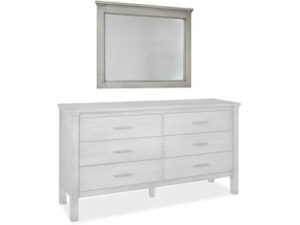
4. Choosing the Right Mirror Style and Size
Not all mirrors are created equal. The right choice depends on your space, style, and purpose.
Large vs. Small Mirrors for Different Spaces
- Large mirrors: Ideal for making a bold statement and maximizing light reflection
- Small mirrors: Perfect for layering and decorative accents
One of the popular mirror bedroom ideas is to place oversized mirrors that often work best for both functionality and visual expansion. Meanwhile, smaller mirrors can be grouped to create gallery-style arrangements.
Framed vs. Frameless Mirrors
- Framed mirrors add character and can tie into your furniture style
- Frameless mirrors offer a sleek, modern look and blend seamlessly into minimalist spaces
For example, designs that include modern mirrors for living rooms often lean toward clean, frameless styles, while traditional bedrooms may benefit from ornate frames.
Shapes and Their Visual Impact
- Round mirrors soften a space and add a calming effect
- Rectangular mirrors emphasize structure and height
- Arched mirrors combine elegance with architectural interest
Choosing the right shape can subtly influence how your room feels. Round mirrors for the living room walls are popular due to their versatility.
5. Common Mirror Placement Mistakes to Avoid
While mirrors are powerful design tools, improper placement can reduce their effectiveness or even work against your space. Understanding what not to do is just as important as knowing the best ideas for mirrors in bedroom styling. Here are some common mistakes to avoid:
Placing Mirrors Opposite Clutter
Mirrors reflect everything in their line of sight—including mess, disorganization, or visually heavy areas. Placing a mirror directly across from cluttered surfaces like overfilled dressers or busy shelves can double the visual chaos instead of enhancing the room. To get the best effect, position mirrors where they reflect clean, styled areas, natural light, or visually appealing décor.
Overusing Mirrors in One Space
While it may be tempting to add multiple mirrors to maximize light and space, too many can create a disorienting or overly busy environment. Excessive reflections can feel chaotic rather than calming, especially in a bedroom meant for relaxation. Instead, focus on a few well-placed mirrors that serve a clear purpose—either functional, decorative, or both.
Incorrect Height and Positioning
A mirror placed too high or too low can disrupt the balance of the room and feel awkward to use. Ideally, mirrors should align with eye level or relate proportionally to nearby furniture, such as centering above a dresser or aligning with a headboard. Proper placement ensures the mirror feels integrated into the design rather than like an afterthought.
Ignoring Functionality
In bedrooms, mirrors should do more than just look good—they should also be practical. A common mistake is choosing purely decorative mirrors without considering everyday use. Make sure at least one mirror is positioned conveniently for dressing or grooming, such as a full-length mirror or a well-lit vanity mirror. This balance between style and function is key to creating a space that feels both beautiful and livable.
Bringing It All Together
Designing with mirrors is about more than decoration—it’s about intentional placement, thoughtful styling, and understanding how reflection shapes perception. If you are using decorative mirrors for living room spaces, the principles remain consistent: maximize light, create depth, and enhance style.
At Feige’s Interiors, we believe the best interiors balance beauty with functionality. Mirrors embody this philosophy perfectly, offering a timeless way to elevate any room.
Conclusion
Exploring design ideas for mirrors in the bedroom opens up endless possibilities for transforming your space. From improving light to creating depth and enhancing style, mirrors are one of the most effective tools in interior design. At Feige’s Interiors, we continue to help homeowners discover how the right mirror can turn an ordinary room into something extraordinary. The key here is thoughtful placement and intentional design. With the right approach, mirrors don’t just reflect your space—they redefine it.
FAQs
1. What type of mirror frame works best for a modern bedroom?
Slim metal or frameless designs tend to work best in modern bedrooms, as they create a clean, uncluttered look while allowing the mirror itself to stand out.
2. Can mirrors be used as a focal point in a bedroom?
Yes, a large or uniquely shaped mirror can act as a focal point, especially when placed above a headboard or dresser to anchor the room’s design.
3. How do you style a mirror with other wall décor?
Mirrors can be paired with artwork, sconces, or shelves to create a balanced wall arrangement. Keeping spacing consistent helps maintain a cohesive look.
4. Are tinted or antique mirrors good for bedrooms?
Tinted or antique mirrors add character and warmth, making them ideal for vintage or eclectic styles, though they reflect less light than clear mirrors.
5. What’s the best way to maintain and clean bedroom mirrors?
Use a microfiber cloth and a streak-free glass cleaner. Regular cleaning ensures maximum light reflection and keeps the mirror looking polished.