

The Rise of Organic Shapes in Living Room Accessories: A Modern Approach to Natural Interior Design
Living rooms have always been the heart of the home—spaces where families gather, guests are welcomed, and everyday life unfolds. Today, homeowners and interior designers are increasingly turning to living room accessories that reflect nature’s gentle curves and organic forms. This growing design movement emphasizes softness, balance, and natural inspiration, helping interiors feel more comfortable, harmonious, and visually engaging.
At Feige’s Interiors, a trusted name among living room furniture stores, we’ve spent decades helping homeowners discover furniture and décor that enhance both beauty and comfort. Originally established as Michigan’s first furniture store in 1854 by cabinetmaker Englehardt Feige, the company evolved into the renowned Feige Brothers furniture factory before becoming the respected design destination it is today. With more than 160 years of craftsmanship heritage, Feige’s continues to guide homeowners in selecting timeless décor and furniture—including the living room accessories that complete a thoughtfully designed space.
1. Understanding the Rise of Organic Shapes in Home Décor
Interior design trends evolve as lifestyles change. Over the past few years, homeowners have begun favoring décor that feels relaxed, natural, and welcoming rather than rigid or overly structured. Organic shapes perfectly capture this shift.
1.1 What Are Organic Shapes in Interior Design
Organic shapes are forms inspired by nature rather than strict geometry. Instead of perfect circles, squares, or straight lines, these shapes resemble elements found in the natural world.
Common organic shapes include:
- Curved silhouettes
- Asymmetrical forms
- Flowing lines
- Rounded edges
- Nature-inspired contours
In living room décor, organic shapes appear in accessories like sculptural vases, curved mirrors, and hand-crafted decorative objects. Even furniture pieces such as a modern living room chair can incorporate soft curves that echo these natural forms.
1.2 How Organic Forms Differ From Geometric Styles
Traditional geometric designs rely on precision and symmetry. Think sharp angles, straight edges, and perfect patterns. While geometric décor still has its place—especially in modern or industrial spaces—organic shapes create a different feeling.
Organic décor typically feels:
- Softer
- More relaxed
- Less rigid
- More visually fluid
For example, a living room wall mirror with a curved or irregular frame can soften a space filled with straight-lined furniture.
1.3 Why This Trend Is Gaining Popularity
Several factors have fueled the popularity of organic shapes in interior design:
Desire for comfort: Modern homes increasingly prioritize relaxation and wellness.
Nature-inspired living: Many homeowners want their spaces to reflect the calming qualities of nature.
Versatility: Organic accessories work beautifully across many styles—from contemporary to farmhouse.
Because of this flexibility, both designers and homeowners are embracing organic décor when choosing living room accessories.
2. The Influence of Nature on Modern Living Room Design
Nature has always inspired interior design, but today’s homeowners are intentionally incorporating natural influences to promote well-being and visual harmony.
2.1 Biophilic Design and Natural Inspiration
Biophilic design focuses on connecting people with nature through architecture and interior spaces. It emphasizes natural light, plant life, and materials that evoke the outdoors.
Organic décor plays a major role in this concept. Accessories that mimic natural forms—such as stone sculptures or curved ceramics—bring a sense of calm and authenticity to living spaces.
Interior designers often combine these elements with modern living room accessories to create rooms that feel both stylish and restorative.
2.2 Soft Lines, Curves, and Earth-Inspired Forms
Curved shapes naturally guide the eye around a room, helping spaces feel balanced and cohesive.
Examples of organic décor include:
- Rounded coffee table accessories
- Curved decorative bowls
- Wavy mirrors
- Abstract wall sculptures
A living room wall mirror with organic contours can instantly soften the visual structure of a room.
2.3 Creating Calm and Comfort Through Design
Design psychology suggests that curved forms tend to feel more welcoming than sharp angles. Organic shapes can therefore make a living room feel:
- More inviting
- More comfortable
- Less visually overwhelming
These qualities make organic décor especially appealing for homeowners seeking relaxing environments.
3. Popular Living Room Accessories Featuring Organic Shapes
The growing popularity of organic design has influenced many categories of décor. From sculptural objects to lighting fixtures, organic forms are now found throughout modern interiors.
3.1 Sculptural Vases and Decorative Objects
Sculptural accessories are one of the easiest ways to introduce organic shapes into a living room.
Popular choices include:
- Handcrafted ceramic vases
- Abstract stone sculptures
- Clay decorative bowls
- Asymmetrical tabletop art
These pieces often serve as focal points when placed on coffee tables, shelves, or consoles.
For homeowners decorating larger spaces, oversized sculptures or large living room accessories can create dramatic visual impact.
3.2 Curved Mirrors, Bowls, and Tabletop Accents
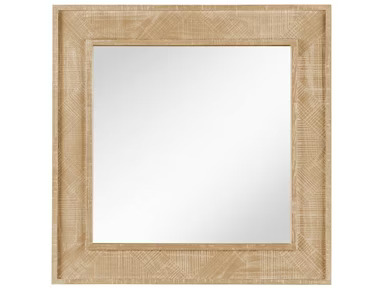
Curved mirrors are among the most popular organic accessories today. A statement living room wall mirror with a wavy frame can become an eye-catching design feature while reflecting light to make the room feel larger.
Other organic tabletop accessories include:
- Rounded trays
- Stone coasters
- Natural wood bowls
- Pebble-shaped candle holders
3.3 Lighting and Wall Art With Organic Forms
Lighting and artwork are also embracing organic shapes.
Trending examples include:
- Sculptural wall sconces
- Curved pendant lights
- Abstract canvas art
- Hand-carved wooden wall panels
These artistic elements introduce texture, movement, and natural elegance into living spaces.
4. How Organic Shapes Enhance Living Room Aesthetics
Organic décor isn’t just about appearance—it improves the overall visual harmony of a room.
4.1 Adding Visual Flow and Balance
Curved lines naturally guide the eye through a room. When combined with structured furniture, organic shapes prevent a space from feeling overly rigid.
For example, pairing a sleek sofa with a curved modern living room chair and rounded accessories creates a pleasing balance between structure and softness.
4.2 Making Spaces Feel Warm and Inviting
Organic forms evoke natural landscapes, which helps interiors feel welcoming and relaxed. Accessories like sculptural ceramics, woven baskets, and natural wood objects bring warmth to both modern and traditional spaces.
This makes organic décor ideal for homeowners seeking comfortable, lived-in environments.
4.3 Blending Organic Accessories With Existing Styles
One of the biggest advantages of organic décor is its versatility.
Organic accessories can complement:
- Contemporary interiors
- Rustic farmhouse spaces
- Scandinavian design
- Transitional décor
For example, farmhouse living room accessories often incorporate organic materials like wood, linen, and stone, making them perfect partners for curved shapes.
5. Materials and Finishes That Complement Organic Shapes
Materials play a major role in emphasizing the beauty of organic décor.
5.1 Natural Wood, Stone, and Ceramics
Natural materials reinforce the organic aesthetic. Popular options include:
- Hand-carved wood
- Polished stone
- Clay ceramics
- Marble accents
These materials add texture and authenticity while highlighting the fluid shapes of the accessories.
5.2 Textured and Handcrafted Finishes
Handcrafted finishes give organic décor character and individuality. Slight imperfections make pieces feel authentic and unique.
Many designers recommend incorporating textured items such as:
- Woven baskets
- Handmade pottery
- Sculpted wood décor
These pieces add depth and personality to all living room arrangements, including outdoor living room furniture.
5.3 Sustainable and Eco-Friendly Material Choices
Sustainability is another driving force behind organic design trends. Eco-friendly materials like reclaimed wood, recycled glass, and responsibly sourced stone appeal to homeowners seeking environmentally conscious décor.
Many reputable living room furniture stores now prioritize sustainable accessories and furniture options.
6. Styling Tips for Incorporating Organic Accessories
Adding organic décor is easy when approached thoughtfully. The key is creating balance and harmony within the room.
6.1 Choosing the Right Scale and Placement
Scale plays an important role in décor styling. Smaller rooms benefit from subtle organic accents, while larger spaces can accommodate statement pieces.
Examples include:
- Sculptural vases on coffee tables
- Curved mirrors above consoles
- Oversized pottery
Strategic placement ensures accessories feel intentional rather than cluttered.
6.2 Mixing Organic and Structured Elements
The most visually appealing interiors combine contrast. Organic décor works best when balanced with structured furniture.
For example:
- Pair curved accessories with rectangular coffee tables
- Place sculptural objects on clean-lined shelves
- Combine flowing décor with architectural furniture
A curved modern living room chair can soften the lines of a contemporary sectional while maintaining modern appeal.
6.3 Maintaining Timeless Appeal With Trend-Driven Design
Although organic shapes are trending, their roots in nature make them inherently timeless.
To maintain longevity:
- Choose neutral colors
- Focus on quality materials
- Mix trends with classic furniture
Shopping at trusted living room furniture stores can help homeowners find accessories that blend current trends with enduring design principles.
7. Conclusion
Interior design trends may evolve, but the appeal of nature-inspired décor continues to grow. Organic shapes bring softness, balance, and visual interest to modern interiors, making them an ideal choice for today’s homes. From sculptural ceramics to curved mirrors and textured natural materials, thoughtfully chosen living room accessories can transform an ordinary space into a calming and visually harmonious environment.
At Feige’s Interiors, our long-standing tradition of craftsmanship and design expertise helps homeowners discover furniture and décor that reflect both personal style and lasting quality. With the right balance of materials, textures and accessories, your living room can become a beautifully curated reflection of comfort, style, and nature-inspired design.
FAQs
How do organic-shaped accessories affect room lighting?
Organic shapes can influence how light moves through a room. Curved mirrors, reflective ceramics, and sculptural glass pieces can help distribute light more evenly, making living spaces feel brighter and more open.
Can organic décor work in minimalist interiors?
Yes. Organic décor often pairs well with minimalist interiors because its soft curves add visual interest without creating clutter. A few well-chosen pieces can enhance simplicity while maintaining clean design lines.
What colors work best with organic living room décor?
Neutral tones such as beige, warm whites, clay, olive green, and soft browns work especially well. These colors complement natural materials and reinforce the calming atmosphere organic décor aims to create.
How often should living room accessories be updated?
Many designers recommend refreshing accessories seasonally or every year or two. Small updates—such as swapping textiles, decorative objects, or artwork—can refresh a room without requiring major furniture changes.
Are handcrafted accessories better for organic design styles?
Handcrafted accessories often work particularly well because they highlight natural textures and subtle imperfections. These qualities enhance the authenticity and character associated with organic interior design.