

A Complete Guide to Mission Furniture Style: Timeless Appeal Meets Functionality
Introduction
The Mission furniture style has captured the attention of homeowners and design enthusiasts for its timeless blend of simplicity, high-quality craftsmanship, and practical functionality. Rooted in the Arts & Crafts movement, this style has continued to resonate with those seeking durable, well-made pieces that are both aesthetically pleasing and functional. Whether you’re furnishing an entire room or just adding a few key pieces, Mission furniture offers a versatile solution that complements a variety of interior designs. In this guide, we’ll dive deep into the origins, characteristics, and modern applications of Mission furniture, helping you understand why it remains a favorite among furniture lovers. At Feige’s Interiors, we pride ourselves on offering a wide selection of Mission-style furniture and are excited to help you incorporate these iconic pieces into your home.
What is Mission Style Furniture?
At its core, this style is a celebration of simplicity, craftsmanship, and functionality. It emerged as a reaction to the overly ornate and mass-produced furniture of the late 19th century, offering a stark contrast with its clean lines and focus on solid construction. The style prioritizes the use of natural materials, particularly wood like oak, to create long-lasting pieces that are as beautiful as they are functional.
The roots of Mission furniture style are deeply embedded in the Arts & Crafts movement, a design philosophy that sought to revive traditional craftsmanship and reject the excessive ornamentation that had become popular during the Victorian era. In particular, Mission furniture draws inspiration from Spanish colonial design, incorporating elements of simplicity, rusticity, and practicality.
Key features that define this furniture style include the use of heavy, solid wood; unadorned, straight lines; and a focus on function over form. Unlike more decorative furniture styles, Mission furniture highlights the natural beauty of its materials. The use of exposed joinery and metal hardware adds to its utilitarian appeal, while its craftsmanship ensures that each piece is built to last.
Stickley Mission furniture is one of the most iconic representations of this style, with pieces like the Stickley Mission chair standing as symbols of timeless design. Gustav Stickley, one of the key figures in the Arts & Crafts movement, was instrumental in popularizing the style across the United States. Today, his designs continue to influence furniture makers and decorators alike, as Mission furniture remains a sought-after choice for those who value both style and substance.
Historical Background of Mission Furniture
This furniture style can trace its origins to the late 19th and early 20th centuries, during a time when the Arts & Crafts movement was gaining traction. This movement, which began in Britain and later spread to the United States, sought to revive traditional craftsmanship and move away from the mass production of furniture that had become common during the Industrial Revolution.
In the U.S., Mission furniture found its footing through the work of influential designers like Gustav Stickley. Stickley, a key figure in the American Arts & Crafts movement, championed the values of handcrafted, durable furniture made from natural materials. His company, Stickley Furniture, became synonymous with the Mission furniture style, and his designs—particularly the Stickley Mission chair—became iconic examples of this aesthetic.
Stickley’s designs were heavily influenced by the simplicity and functionality of Spanish colonial furniture, as well as the broader principles of the Arts & Crafts movement. He believed that furniture should be practical, well-made, and free from unnecessary ornamentation. His focus on craftsmanship and quality materials helped elevate Mission furniture to the forefront of the design world in the early 20th century.
By the 1910s, Stickley Mission furniture had gained widespread popularity, particularly among middle-class American households. Its focus on simplicity and durability resonated with those seeking beautiful and functional furniture, without the excessive embellishments of earlier styles.
Key Characteristics of Mission Furniture
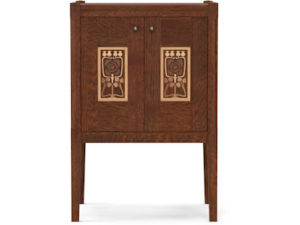
Several key characteristics define this furniture style, making it easily recognizable and universally appreciated. These traits set it apart from other furniture styles and contribute to its enduring popularity:
1. Simplicity in Design
One of the hallmarks of Mission furniture style is its clean, straightforward design. Unlike the elaborate ornamentation seen in Victorian-era furniture, Mission pieces feature unadorned, straight lines that highlight the natural beauty of the wood. This simplicity allows the furniture to fit seamlessly into both traditional and modern interiors.
2. Craftsmanship
The emphasis on craftsmanship is at the heart of Mission furniture. Each piece is meticulously handcrafted, with attention to detail that ensures durability and longevity. The joinery techniques used in Stickley Mission furniture, such as exposed tenon joints, showcase the skill of the furniture makers and add to the overall aesthetic.
3. Materials
Mission furniture style is predominantly made from oak, particularly quarter-sawn white oak, which is valued for its strength and distinctive grain pattern. The use of solid wood gives the furniture a sturdy, robust feel, making it ideal for everyday use.
4. Functionality
Mission furniture is designed with practical use in mind. Each piece is built to withstand daily wear and tear while maintaining its aesthetic appeal. Whether it’s a Stickley Mission chair or a large dining table, Mission furniture is meant to be used and enjoyed for years to come.
5. Hardware
The use of simple, metal hardware, often in the form of exposed joinery or metal accents, is another defining feature of Mission furniture. These accents are functional rather than decorative, adding to the furniture’s utilitarian appeal.
Signature Pieces in Mission Furniture
Several types of furniture are synonymous with this furniture style, each embodying the simplicity and craftsmanship that define the aesthetic:
1. Chairs
High-backed, slatted chairs, such as the iconic Stickley Mission chair, are a staple of Mission furniture. These chairs are often paired with leather or fabric cushions for added comfort, while their simple design ensures they blend seamlessly into any room.
2. Tables
Mission-style tables are typically sturdy, rectangular pieces with thick, solid legs. They are built to last and are ideal for dining rooms or home offices where durability is essential.
3. Storage Units
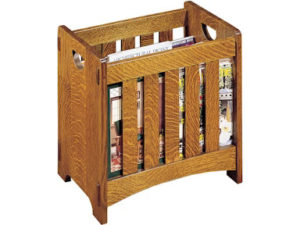
Mission-style bookcases, sideboards, and cabinets often feature exposed joinery, showcasing the handcrafted nature of each piece. These practical and stylish storage units offer ample space for books, dishes, or decorative items.
4. Seating Options
Sofas and armchairs in this furniture style are known for their solid wood frames and cushioned seats. Combining wood and upholstery adds warmth to any living space, making these pieces both comfortable and aesthetically pleasing.
Colors and Finishes Commonly Used in Mission Furniture
The Mission furniture style is known for using natural wood tones, particularly oak. The warm, earthy hues of the wood are often enhanced with stains that bring out the grain, adding depth and richness to each piece. Finishes tend to be matte or low-gloss, which allows the natural beauty of the wood to shine through without overwhelming the design. This emphasis on natural finishes aligns with the overall philosophy of the Arts & Crafts movement, which celebrates the beauty of natural materials.
Incorporating Mission Furniture into Modern Interiors
One of the reasons for the enduring popularity of Mission furniture is its timeless versatility. Though it originated in the Arts & Crafts movement of the late 19th century, Mission furniture remains a popular choice for modern interiors because of its simple design, durable craftsmanship, and use of natural materials. The clean lines and lack of unnecessary ornamentation make Mission pieces a perfect fit for contemporary spaces, where minimalism and functionality are often prioritized. Whether you’re decorating a sleek, modern living room or a cozy den, the natural wood tones and sturdy construction of Mission furniture can serve as a grounding element, bringing both visual appeal and practicality to your home.
Blending Mission furniture with contemporary decor is all about creating balance between traditional and modern elements. Pairing Mission-style pieces, such as a Stickley Mission chair or a solid oak dining table, with modern accessories can elevate the overall aesthetic of a room. For instance, placing a high-backed Mission chair in a room with modern, minimalist art and sleek metal lighting can create a cozy yet refined atmosphere. The contrast between the warmth of the wood and the industrial feel of contemporary decor items adds depth and texture to the space. Additionally, the simplicity of Mission furniture allows for bold modern elements like geometric rugs, abstract wall art, or even statement lighting fixtures to stand out, without overwhelming the overall design.
To seamlessly integrate Mission furniture into modern interiors, consider focusing on neutral color schemes and a mix of textures. Mission furniture’s rich wood tones, often in oak or cherry, pair well with neutral walls and floors, while adding a sense of warmth to cooler, modern palettes. Incorporating textures like soft throws, leather accents, or natural fiber rugs can enhance the inviting quality of Mission furniture.
Choosing the Right Mission Furniture for Your Home
Selecting the right pieces from this furniture style involves considering factors like space, function, and personal style. For smaller rooms, opt for chairs, side tables, or smaller storage units that offer functionality without overwhelming the space. In larger rooms, you can make a statement with a Stickley Mission chair or a large, solid oak dining table. Decorating with Mission furniture allows you to create a timeless look that can easily be updated with modern accessories.
Price Range of Mission Furniture
Mission furniture, known for its high-quality craftsmanship and durable materials, generally ranges in price from mid to high-end. Smaller pieces like chairs or side tables can cost between $500 to $1,500, while larger items like dining tables or bookcases may range from $2,000 to over $5,000, depending on the maker and materials used. Authentic Stickley Mission pieces, being highly sought after, can command even higher prices, especially for handcrafted or custom designs.
5 Tips to Maintain Mission Furniture
1. Regular Dusting: Use a soft, dry cloth to remove dust and prevent buildup on wood surfaces.
2. Use Wood Polish: Apply a high-quality wood polish or wax periodically to maintain the finish and protect the wood.
3. Avoid Direct Sunlight: Keep furniture out of direct sunlight to prevent fading or discoloration over time.
4. Clean Spills Immediately: Wipe up any spills promptly with a dry cloth to avoid stains or water damage.
5. Control Humidity: Keep your home’s humidity levels stable to prevent the wood from warping or cracking.
Conclusion
The Mission furniture style is a timeless choice for those who appreciate quality craftsmanship and practical design. With its focus on simplicity, functionality, and natural materials, it offers a versatile solution for any home. Whether you’re drawn to the classic appeal of a Stickley Mission chair or looking to furnish an entire room with Stickley Mission style furniture, the possibilities are endless. Explore the beauty of Mission furniture at Feige’s Interiors. Contact us at +1 877-351-3764 for more information.
FAQs
1. How can I incorporate Mission furniture into a modern home decor?
A: Incorporating Mission furniture into modern home decor is all about balance and contrast. Mission furniture, with its clean lines and solid wood construction, works well in contemporary settings due to its simplicity and timeless appeal. You can blend Mission-style pieces like a Stickley Mission chair or solid oak dining table with modern accessories to create a cozy yet refined look. Pairing these with minimalist art, sleek lighting, and neutral color schemes helps highlight the natural beauty of the wood while maintaining a modern aesthetic. Adding soft throws, leather accents, or textured rugs can enhance the warmth and texture in the space.
2. What makes Stickley Mission-style furniture unique compared to other brands?
A: Stickley Mission-style furniture is unique because of its dedication to high-quality craftsmanship, durability, and the use of premium materials like quarter-sawn white oak. Stickley’s commitment to the Arts & Crafts movement emphasizes simplicity, functionality, and the celebration of natural materials. Each piece features exposed joinery, such as tenon joints, which highlights the handcrafted nature of the furniture. Unlike mass-produced furniture, Stickley’s Mission pieces are made to last and are known for their timeless design and lasting appeal.
3. How does Stickley ensure the quality and craftsmanship of their Mission-style pieces?
A: Stickley ensures the quality and craftsmanship of their Mission-style pieces by using traditional woodworking techniques and the finest materials. Each piece is meticulously handcrafted, often using solid oak and other high-quality woods that ensure durability. Stickley’s signature use of exposed joinery, like mortise and tenon joints, adds to the strength and longevity of the furniture. Additionally, Stickley maintains strict quality control processes to ensure that every piece meets their high standards for durability, functionality, and aesthetic appeal.
4. What are the features of a Stickley Mission chair that distinguish it from other chairs?
A: Stickley Mission chair is distinguished by its high-quality craftsmanship, solid wood construction, and clean, straightforward design. The chair typically features straight lines and slatted backs, which are hallmarks of the Mission style. Made from durable materials like quarter-sawn oak, Stickley Mission chairs are built to last and often include exposed joinery that showcases the skill involved in their construction. The chairs are both functional and comfortable, with options for leather or fabric cushions, making them a versatile choice for any room. Their timeless design ensures they blend seamlessly into both traditional and modern interiors.