

The Art of Arranging Two Sofas in Your Living Room
I. Introduction
Transforming your living space into a harmonious blend of comfort and style begins with the strategic placement of furniture. At Feige’s Interiors, we understand the profound impact that arranging two sofas in your living room can have on both the room’s aesthetics and its functionality. A thoughtful layout elevates the overall ambiance and turns your living area into a reflection of your personal style and spatial understanding. In this comprehensive guide, we’ll explore two sofa living room ideas to enhance your space’s beauty and practicality.
II. Assessing the Living Room Space
A. Measuring the Dimensions
Understanding the exact dimensions of your living room is the first critical step towards a harmonious design. This is particularly important when you’re trying to incorporate 2 sofas in a small living room, as it ensures the pieces fit without overwhelming the space. Take note of the room’s length and width, and consider the height of the ceilings too, as this can affect the perception of space and furniture scale.
B. Identifying Focal Points and Traffic Flow
A living room’s layout should revolve around its focal points, whether it’s a fireplace, a large window with a view, or a piece of art. Equally important is acknowledging the room’s traffic flow to maintain an unobstructed path for movement. This dual focus on aesthetics and functionality is essential for arranging a living room with two sofas, ensuring the space is inviting and easy to navigate.
C. Existing Furniture and Architectural Features
Blending new sofas with the living room’s current elements requires a thoughtful approach. Consider the style and placement of existing furniture, as well as any architectural features like built-ins or columns. The goal is to create a cohesive environment where new additions complement the existing setup, fostering an atmosphere of unity and balance.
III. Choosing the Right Sofas
A. Size and Style
The selection of sofas should be in harmony with the size of your living room and your personal design preferences. From sleek, contemporary models to plush, traditional options, the size, shape, and style of your sofas should enhance your living room’s aesthetic and spatial dynamics, reflecting your unique taste and lifestyle.
B. Coordination with Existing Décor
Achieving a visually cohesive space means ensuring your two sofas either match or beautifully complement the room’s existing décor. This unity in design extends to colors, patterns, and materials, embodying Feige’s Interiors’ commitment to creating stylish, integrated living spaces.
C. Comfort and Functionality
While the appearance of your sofas is important, their comfort and practicality are paramount. Consider how the sofas will be used—whether for hosting social gatherings, family lounging, or as a cozy reading nook. The right sofas should easily serve these functions, providing a focal point and a comfortable, welcoming space for all activities.
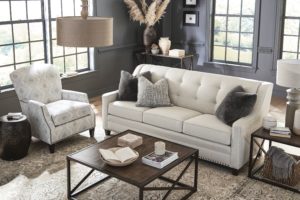
IV. Sofa Placement Options
A. Facing Each Other
Arranging sofas to face each other sets the stage for intimate conversations, making the living room a perfect setting for socializing. This layout encourages interaction and engagement, making it a popular choice for those seeking two sofa living room ideas that promote a convivial atmosphere.
B. L-shaped Arrangement
Utilizing corner space efficiently, the L-shaped arrangement offers a cozy, inclusive setting ideal for both small and large rooms. This layout enhances the sense of intimacy and is versatile enough to accommodate additional seating if needed.
C. Parallel Placement
In elongated or narrow living rooms, placing sofas parallel to each other can help maximize the available space while maintaining a balanced and inviting look. This configuration is particularly effective in rooms where the focal point is situated between the sofas, such as a fireplace or a television.
V. Creating a Focal Point
A. Central Element Highlight
A well-defined focal point guides the room’s layout and draws attention. Positioning your two sofas in your small living room to frame or face this central element reinforces its significance, whether it’s architectural or decorative.
B. Coffee Table or Accent Piece Incorporation
Adding a coffee table or a striking accent piece between the sofas can not only enhance the focal point but also increase the room’s functionality, providing a surface for drinks, books, or decorative items.
C. Rugs and Lighting
The strategic use of rugs can delineate the seating area, anchoring the sofas and focal point within the space. Lighting, whether through overhead fixtures, floor lamps, or table lamps, can further highlight the focal point, creating layers of illumination that add depth and warmth to the living room.
VI. Considering Traffic Flow
A. Easy Movement
A successful living room layout allows for fluid movement around and between the sofas, ensuring that the space remains accessible and free from obstacles. This consideration is key in maintaining a comfortable and welcoming environment.
B. Avoiding Overcrowding
By carefully selecting and positioning your sofas, you can avoid overcrowding the room, which helps maintain an open, airy feel. This is especially important in smaller spaces, where every inch counts.
C. Aesthetics and Practicality
The ultimate aim is to find a balance between an aesthetically pleasing arrangement and a practical living space. This means considering both the visual impact of your sofa placement and its functionality in terms of seating capacity and room flow.
VII. Accentuating with Accessories
A. Throw Pillows and Cushions
These elements are not just about adding comfort; they’re also a way to inject color, pattern, and texture into the room, offering an easy and cost-effective method to refresh the décor.
B. Side Tables and Storage
Incorporating side tables provides a convenient place for setting down a drink or book, while storage options like ottomans or console tables can help keep the room tidy and organized, enhancing both its beauty and utility.
C. Personal Décor Items
Personalizing your living space with items that hold special meaning, whether it’s artwork, photographs, or heirlooms, adds a layer of intimacy and character to the room, reflecting Feige’s Interiors’ dedication to creating spaces that resonate with individual personality and style.
VIII. Lighting Considerations
A. Seating Area Illumination
Adequate lighting in the seating area is crucial for creating a warm, inviting space. It enhances the room’s functionality, allowing for various activities such as reading, conversing, or relaxing.
B. Varied Lighting Sources
Employing a combination of lighting sources—overhead, task, and accent lighting—provides versatility and ambiance, enabling you to adjust the mood and focus of the room as needed.
C. Warm and Inviting Ambiance
The right lighting can transform the atmosphere of a room, making it cozy and welcoming. Selecting the appropriate fixtures and bulb warmth can greatly influence the room’s overall feel, making it a pleasant space for all occasions.
Keep reading as we move on to the next section on how to arrange a living room with two sofas.
IX. Adapting to Room Shape and Size
A. Small Living Rooms
When working with limited square footage, the key to creating an inviting and spacious living area lies in carefully selecting furniture and strategically using design elements. Choosing sofas that are proportionate to the room’s size is crucial to avoid overwhelming the space. Sofas with slender profiles and raised legs can create a sense of lightness and flow. To amplify this effect, incorporating mirrors can visually expand the room by reflecting light and creating the illusion of depth. Light colors have a similar expansive effect; soft, neutral tones on walls, floors, and furniture can make a small living room feel brighter and more open. Utilizing multifunctional furniture, such as ottomans with storage or sofa beds, can also maximize the usability of the space without clutter.
B. Large and Open Spaces
In contrast to smaller rooms, large living areas offer the flexibility to create multiple functional zones, enhancing the room’s usability and aesthetic appeal. Defining these zones can be achieved through the strategic placement of furniture, area rugs, and lighting. For instance, arranging two sofas to form a conversation area creates a focal point that invites social interaction, while a separate reading nook with a comfortable chair and a floor lamp can offer a quiet retreat. Using different lighting fixtures for each area can also help demarcate and personalize the space. Additionally, large, open spaces benefit from the use of larger rugs and furniture pieces that scale with the room’s size, grounding the space and providing structure.
C. Unconventional Layouts
Rooms with unusual shapes or architectural features often require a more creative approach to furniture arrangement and décor. The key to success in these spaces is flexibility and innovation. For example, in a room with angled walls or numerous windows, consider custom or modular sofas that can be adjusted to fit the space perfectly. Embrace the room’s unique features by making them part of the design; a bay window can become a cozy reading nook, while an awkward alcove might house built-in shelves or a compact home office. When arranging furniture in unconventional layouts, it’s important to maintain a clear path for traffic flow and to use rugs and lighting to unify the space, creating a cohesive look that feels intentional and harmonious.
Adapting your living room design to accommodate the specific shape and size of the space is a crucial step towards creating a functional, comfortable, and visually appealing environment. By considering the unique characteristics of your living area and employing strategic design techniques, you can enhance the usability and aesthetic of any room, regardless of its dimensions or layout challenges.
X. Final Touches and Adjustments
A. Personal Preference Tuning
The final touches to your living room should reflect your personal style and suit your lifestyle. This customization is at the heart of Feige’s Interiors’ approach, ensuring your space is stylish and truly yours.
B. Feedback and Adjustments
Living spaces evolve, and as you use your living room, you may find the need to adjust the layout or add new pieces. This iterative process ensures the space continues to meet your needs and preferences.
C. Style and Functionality Balance
The goal is to achieve a seamless blend of aesthetic appeal and practical usability. Your living room should look good and be comfortable and functional, a principle that guides all of Feige’s Interiors designs.
By expanding on these points, we’ve provided a detailed guide that not only adheres to Feige’s Interiors’ philosophy of stylish, functional living spaces but also offers practical advice for anyone looking to enhance their living room with the addition of two sofas.
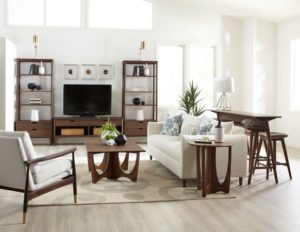
XI. Conclusion
With Feige’s Interiors’ expert guidance, arranging two sofas in your living room becomes an opportunity to enhance your space’s function and style creatively. You can transform your living room into a comfortable, stylish, and welcoming environment by considering key factors such as room size, sofa functionality, and aesthetic appeal. Remember, the best living spaces blend creativity with practicality, inviting you to experiment and adjust until you find the perfect setup for your home. Let Feige’s Interiors in Saginaw, MI, help you make your living room a testament to your personal style and a hub for comfort and beauty. Contact us on +1 877-351-3764 for more information.
FAQs
FAQ 1: Can I mix and match different sofa styles in my living room?
Answer: Absolutely! Mixing and matching sofa styles can add depth and interest to your living room. Combining a traditional sofa with a more modern piece can create a dynamic and personalized space when done thoughtfully. The key is ensuring a cohesive color scheme or fabric type to harmonize the different styles.
FAQ 2: How can I make my living room more inviting when arranging two sofas?
Answer: Lighting and texture play crucial roles in making a living room feel welcoming. Consider soft, warm lighting to create a cozy ambiance. Adding textures through rugs, throws, and cushions can also enhance the comfort and appeal of the room, making it an inviting space for relaxation and socializing.
FAQ 3: Is there an ideal distance between two sofas facing each other?
Answer: Yes, there is. Aim to place the sofas about 6 to 8 feet apart for optimal comfort and ease of conversation. This distance allows for personal space while still fostering a sense of intimacy and facilitating easy communication between people seated on either sofa. Adjustments can be made based on the room’s size and your personal preference.