

How to Identify Authentic Antique Stickley Furniture: A Collector’s Guide
For over a century, Stickley furniture has represented the pinnacle of American craftsmanship, honesty in construction, and timeless Arts-and-Crafts design. For collectors, designers, and homeowners alike, owning an authentic antique Stickley piece is not just about furnishing a home—it’s about preserving a piece of American design history.
At Feige’s Interiors, we understand the importance of authenticity. Originating as Michigan’s first furniture store in 1854, founded by cabinetmaker Englehardt Feige, our company evolved through generations into a respected furniture manufacturer known as The Feige Brothers. More than 160 years later, Feige’s continues its commitment to quality merchandise, expert interior design services, and exceptional customer care—values that align closely with the Stickley legacy.
This guide is designed to help collectors, enthusiasts, and buyers confidently identify authentic antique Stickley furniture, avoid reproductions, and understand what makes these pieces so valuable.
1. What Makes Antique Stickley Furniture Unique?
Authentic antique Stickley furniture is deeply rooted in the American Arts-and-Crafts movement, which emphasized simplicity, durability, and honest construction. Gustav Stickley and his contemporaries rejected mass-produced Victorian excess in favor of clean lines, functional design, and visible craftsmanship.
True antique Stickley pieces are prized because they:
- Were handcrafted, not mass-produced
- Used high-quality solid woods, especially quarter-sawn oak
- Emphasized structural integrity over ornamentation
- Reflected a philosophy of furniture as a lifelong investment
Collectors value these pieces not only for their beauty but also for their historical importance and enduring function—qualities still admired today in Stickley mission furniture, desks, recliners, and bedroom furniture.
2. Key Marks and Labels Used on Authentic Stickley Pieces
One of the most reliable ways to identify antique Stickley furniture is through its marks and labels. These identifiers evolved over time and vary by era and workshop.
Early Paper Labels
Some of the earliest Stickley pieces featured paper labels, often rectangular and fragile. These labels may be missing on well-used antiques, but when present, they are a strong indicator of authenticity.
Burned-In Marks
Later pieces commonly used burned-in shop marks, applied directly to the wood. These marks age naturally with the furniture and should not appear overly crisp or new.
Recognized Stickley Shopmarks
Collectors often look for:
- The Compass Rose mark
- The “Als Ik Kan” (As Well As I Can) insignia
- Variations depending on the Stickley brother or workshop
Period-Specific Differences
Authentic antique Stickley furniture reflects its production era. Fonts, logo styles, and mark placement changed over time, making historical accuracy critical when verifying a piece.
3. Construction Details That Reveal True Stickley Craftsmanship
Beyond labels, construction methods are often the clearest indicators of authenticity. Antique Stickley furniture was built to last generations.
Joinery Techniques
Look closely for:
- Mortise-and-tenon joints
- Hand-cut dovetail joints, especially in drawers of a Stickley desk or case goods
Machine-perfect joints are often a sign of later reproductions.
Solid Wood Construction
Authentic pieces use solid hardwood throughout, not veneers over composite materials. Drawer bottoms, backs, and structural components should all reflect quality craftsmanship.
Quarter-Sawn Oak
One hallmark of Stickley mission furniture is quarter-sawn oak, identifiable by its distinctive ray-fleck grain pattern. This wood was chosen for both its beauty and dimensional stability.
Hand-Finished Surfaces
Expect subtle variations in finish. Hand-applied stains and finishes result in depth and character—not the uniformity of modern factory coatings.
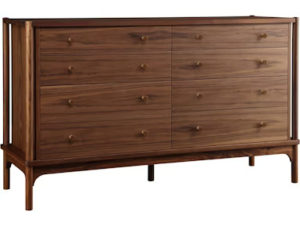
4. Signs of Reproductions or Later Stickley Models
Not all Stickley-branded furniture is antique. Knowing what to watch for can protect buyers from costly mistakes.
Red Flags to Watch For
- Modern hardware such as Phillips-head screws
- Stapled or machine-cut joints
- Incorrect or missing marks
- Overly glossy or uniform finishes
- Wood grain that doesn’t match period-correct materials
Later Stickley furniture—while often excellent in quality—should not be confused with original antiques. Transparency in identification preserves both value and trust.
5. Expert Tips for Verifying Authentic Antique Stickley Furniture
Whether you’re evaluating a Stickley recliner, Stickley bedroom furniture set, or a rare desk, verification is essential.
Compare Against Verified References
Use museum archives, reputable books, and verified databases of Stickley marks to cross-check details.
Consult a Professional Appraiser
Experienced antique appraisers and dealers can identify subtle indicators that even seasoned collectors may overlook.
Review Provenance
Original receipts, family histories, or long-standing ownership records significantly strengthen authenticity claims.
Examine Condition Carefully
Avoid aggressive cleaning or restoration before verification. Original patina often adds value, and improper refinishing can permanently reduce worth.
6. Why Authenticity Matters for Collectors, Designers, and Homeowners
For collectors, authenticity directly impacts market value and historical integrity. For interior designers, genuine Stickley furniture brings unmatched credibility to Arts-and-Crafts or Craftsman-style interiors. Homeowners benefit from pieces that hold long-term value while offering exceptional durability.
Conclusion
Authentic antique Stickley furniture stands as a testament to American craftsmanship, thoughtful design, and enduring quality. By understanding historical marks, construction techniques, and common reproduction pitfalls, collectors and buyers can make informed decisions and protect their investments.
At Feige’s Interiors, our roots in Michigan date back to 1854, when Englehardt Feige opened the state’s first furniture store. Through generations of craftsmanship, factory production, and now interior design leadership, we continue to honor quality—just as Stickley did. Feige’s Interiors is a trusted destination for Stickley Michigan shoppers seeking timeless furnishings and thoughtfully designed living spaces.
FAQs
1. Where are Stickley maker’s marks typically located on antique pieces?
Authentic antique Stickley furniture often features stamped or branded marks on the underside of tables, inside drawers, on the back panels of case goods, or beneath chair seats. The placement can vary depending on the era and workshop.
2. Did all Stickley furniture come from the same company?
No. Several Stickley brothers operated separate companies in the early 1900s. The most collectible pieces are typically from Gustav Stickley’s Craftsman Workshops, but other Stickley firms also produced quality furniture with distinct markings.
3. How can you tell if hardware on a Stickley piece is original?
Original hardware typically shows natural aging consistent with the wood’s patina. Replacements may appear newer, mismatched, or use modern screws that differ from early 20th-century fasteners.
4. What wood species were commonly used in antique Stickley furniture?
Quarter-sawn white oak is most commonly associated with authentic early Stickley mission furniture, known for its visible ray fleck pattern and durable grain structure.
5. Is refinished Stickley furniture less valuable?
In many cases, original finish significantly impacts collector value. While professional restoration can preserve structural integrity, heavily refinished or altered pieces may not command the same premium as those retaining original surfaces.