

A Comprehensive Guide to Choosing Lamps for Your Decor
I. Introduction
Lighting is not just a functional necessity in our homes; it’s a vital component of home decor that sets the mood, highlights architectural features, and enhances the overall ambiance of our living spaces. Among the myriad lighting options available, lamps hold a special place for their versatility and ability to add form and function to every room. In this comprehensive guide brought to you by Feige’s Interiors, exploring various types for the living room and offering recommendations to illuminate other key areas of your home with style and purpose. Discover how the right lamp for living room spaces can transform your home’s ambiance.
II. Understanding the Basics of Lamp Types
Before we dive into the specifics, let’s familiarize ourselves with the fundamental lamp types:
- Table Lamps: Compact and versatile, these are perfect for adding warmth to nooks and providing task lighting, making table lamps for living room a crucial decor element.
- Floor Lamps: Standing tall, floor lamps are a statement of style and functionality, capable of illuminating larger areas, adding to the sophistication of lamps in living room areas.
- Wall Lamps and Sconces: Mounted on walls, these lamps save space while adding a decorative touch, complementing the various types of lamps available for enhancing home decor.
- Ceiling Lamps: From subtle to striking, ceiling lamps provide general lighting from above, shaping the room’s overall feel and adding to the diversity of the space.
Selecting the right type hinges on understanding your space’s needs and layout, ensuring aesthetic coherence and practical illumination.
III. Table Lamps
With their unparalleled versatility, table lamps have become an indispensable part of living room decor, effortlessly adapting to various setups from side tables to shelves. Their primary role as task lighting, particularly for activities like reading, is well-recognized. Yet, beyond this functional aspect, table lamps emerge as significant decor pieces, contributing to a room’s aesthetic appeal.
- Traditional Table Lamps: These lamps exude elegance and timelessness, often characterized by classic shapes and materials such as brass, wood, and glass. Traditional lamps might feature elaborate designs with detailed craftsmanship, making them lighting fixtures and heirloom pieces that add a rich visual appeal to any living room.
- Modern Table Lamps: Embracing sleekness and minimalism, modern living room table lamps are known for their clean lines and innovative use of contemporary materials like metal, acrylic, and compact fabrics. Their design ethos lies in simplicity and functionality, often incorporating elements of geometric shapes and neutral colors to fit seamlessly into modern living spaces.
- Artistic Table Lamps: These are where creativity knows no bounds. Artistic table lamps can be sculptural, colorful, and avant-garde, doubling as standalone art pieces. From abstract forms to hand-painted ceramics, they serve as a focal point in a room, inviting conversation and admiration for their unique aesthetic.
- Industrial Table Lamps: Marked by their rugged and raw appeal, industrial table lamps for living rooms often feature exposed bulbs, metallic elements, and a useful design philosophy. Their functionality is as much a part of their style, with adjustable arms and pulleys adding a tactile experience to their visual impact.
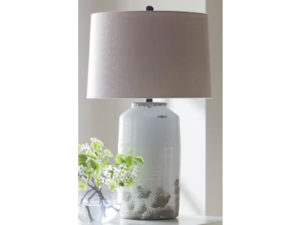
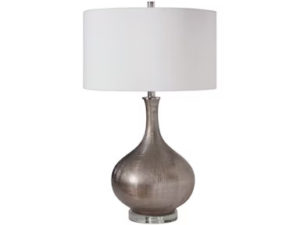
Among popular designs, lamps with ceramic bases offer a touch of sophistication and warmth, while those with sculptural metal frames introduce an element of boldness. Hand-blown glass shades stand out for their artisanal beauty, casting a soft, inviting glow that enhances the ambiance of living room table lamps.
IV. Floor Lamps
Floor lamps are crucial in layering living room lighting, providing ambient illumination that makes a space inviting and task lighting for specific activities. Their styles can significantly influence the room’s atmosphere and functionality:
- Arc Floor Lamps: With their graceful curves, arc floor lamps extend over furniture, directing light precisely where needed, perfecting over a cozy reading chair or a lounge area. Their elegance lies in their form and ability to create intimate spaces within larger rooms.
- Tower Floor Lamps: These lamps are as much about mood as they are about light. Tower floor lamps emit a soft, diffused light that can set a tranquil tone for the entire room. Often made from materials like fabric or paper, their sculptural shapes add a dramatic flair to the living space.
- Torchiere: By directing light upward, torchiere lamps create a warm, ambient glow that enhances the room’s ceiling height and brightness. Their sleek design makes them a fitting choice for corners or behind furniture, contributing to a well-balanced lighting scheme without overwhelming the space.
- Adjustable Floor Lamps: The epitome of functionality, adjustable floor lamps can be manipulated to focus light exactly where needed for reading, crafting, or highlighting a particular area. Their versatility makes them invaluable in a living room setup, accommodating various daily activities.
Placing floor lamps is key to maximizing their aesthetic and functional benefits. Beside a reading chair, they offer direct light for reading. At the same time, in dark corners, they can brighten and enlarge the perceived space, contributing significantly to the lamps in living room design philosophy.
V. Wall Lamps and Sconces
Wall lamps and sconces add layers of lighting to a living room, enhancing both the ambiance and architectural features. Their diverse styles allow for creative installations that complement the room’s overall theme:
- Modern Designs: Sleek and often minimalist, modern wall lamps and sconces can provide both direct and indirect lighting, creating visual interest and highlighting architectural details without cluttering wall space.
- Ornate Traditional Pieces: With detailed designs and luxurious materials, traditional wall lamps and sconces bring a touch of elegance and history to a room, perfect for framing significant elements like fireplaces or prized artworks.
Placement is crucial, with strategic positioning capable of transforming room features or artworks into focal points, thereby showcasing the versatility of lamps in interior design.
VI. Ceiling Lamps
Ceiling lamps serve as the primary source of ambient lighting in a room, with a variety of styles to match any decor:
- Chandeliers: Beyond their functional role, chandeliers symbolize sophistication and grandeur, making a
statement with their intricate designs and sparkling lights.
- Pendants: Offering focused light and general illumination, pendant lamps are versatile fixtures that can adapt to different living room activities, from reading to hosting gatherings.
- Flush Mounts: These lamps are particularly suited to rooms with low ceilings, providing broad light without intruding into the living space.
- Recessed Lighting: For a modern, streamlined look, recessed lighting offers a solution that integrates seamlessly into the ceiling, providing even, unobtrusive illumination.
In selecting lamps for living room spaces, considering the room’s size and ceiling height is essential to achieve balanced, effective lighting. Each type of lamp contributes uniquely to creating a welcoming, functional, and aesthetically pleasing living environment.
VII. Lampshades and Lighting Effects
The role of lampshades in home lighting cannot be overstated. A carefully chosen lampshade does much more than cover a light bulb; it plays a crucial part in a room’s character and quality of light.
- Material and Color: The material of a lampshade significantly influences the light’s diffusion. A thicker, opaque material will cast a focused, direct light perfect for reading or tasks, while a lighter, more transparent fabric will disperse a soft, ambient glow, ideal for creating a warm, inviting atmosphere. The color of the lampshade further impacts the ambiance, with warmer shades like amber or red casting a cozy glow, and cooler tones like blue or green creating a calm, serene atmosphere.
- Customizing Atmosphere: Experimenting with different lampshades can fine-tune a room’s atmosphere. Swapping a lampshade is a simple yet effective way to refresh a room’s look or to adjust the lighting for specific occasions or times of day. Incorporating features like dimmers and smart bulbs allows for even greater customization, enabling the light to be adjusted in brightness and, in some cases, color temperature, thus tailoring the room’s ambiance to your exact mood or needs.
VIII. Lamps for Other Areas of the Home
While living rooms are central to a home’s lighting design, lamps play vital roles in other areas. Each serves a unique purpose that enhances the space’s functionality and beauty.
- Dining Rooms: Lightning sets the mood for meals and gatherings in dining areas. A combination of overhead lighting and accent lamps can create a dynamic space that is functional for dining and conducive to conversation. Dimmable options can transform the area from bright and energetic to soft and intimate, adapting to the occasion.
- Bedrooms: The bedroom benefits greatly from layered lighting. Ambient lighting provides a peaceful background illumination, while task lamps by the bed are essential for reading or relaxing before sleep. The choice of lampshade here can significantly impact sleep quality, with softer, dimmable lighting options being preferred to prepare the body for rest.
- Home Offices: Task lighting becomes paramount in home office setups. A well-placed desk lamp can reduce eye strain and improve productivity. Selecting a lamp with adjustable brightness and color temperature can help maintain focus and energy levels throughout the workday.
IX. Energy Efficiency and Lamp Selection
Today, the shift towards energy efficiency in lighting is not just an environmental choice but a smart, economical one for homeowners.
- LED and Energy-Saving Options: LED bulbs have revolutionized home lighting, offering a lifespan and energy efficiency far beyond traditional incandescent bulbs. Their initial higher cost is offset by their longevity and the savings on electricity bills. Additionally, LED bulbs come in various color temperatures, from warm yellow to cool blue, accommodating various lighting needs and preferences.
- Sustainability and Cost Savings: By opting for energy-efficient lighting solutions, homeowners contribute to reducing the global ecological footprint. Energy-efficient bulbs consume less power, requiring less from power plants and thus reducing greenhouse gas emissions. This choice aligns with a growing awareness of sustainability practices, simultaneously offering significant long-term savings on energy costs.
X. Final Thoughts and Tips
Feige’s Interiors presents this guide as a beacon for those navigating the vast realm of home lighting. Understanding the art and science behind incorporating lamps into your home decor is crucial for enhancing your living space. This guide encourages you to explore various styles, prioritize energy efficiency, and combine different elements to find the perfect lighting setup. By focusing on selecting the right type, style, and placement of a lamp for a living room, you can introduce warmth, functionality, and aesthetic appeal into your environment. For personalized advice on finding the ideal lamp for your living room, feel free to reach out to us at +1 877-351-3764. Discover how to illuminate your home beautifully and effectively with these expert insights.
FAQs
FAQ 1: How do I know if a lamp fits the style of my room?
- Consider the room’s decor and color scheme when selecting a lamp. Look for lamps that either complement or thoughtfully contrast with your current style. For a cohesive look, match the lamp’s design elements, such as material or shape, with other decor pieces in the room. If your space features a minimalist design, opt for lamps with clean lines and neutral colors. For more eclectic spaces, consider unique or artistic lamp designs that can serve as conversation pieces.
FAQ 2: Can the right lamp really make a small room appear larger?
- Absolutely! Lighting can significantly impact the perceived size of a room. Bright, well-placed lamps can eliminate shadows that make a space feel cramped and draw the eye upwards or towards specific areas, creating a sense of depth. Mirroring surfaces and strategic placement near reflective objects can also amplify light and give the illusion of more space. Floor lamps with a slim or wall-mounted profile can save physical space while contributing to a more open, airy feel.
FAQ 3: How often should I replace my lampshades to keep up with decor trends?
- There’s no set rule for how often you should update lampshades to keep in line with current decor trends. However, swapping out lampshades is an easy and effective way to refresh your room’s appearance without a significant investment. If you enjoy keeping up with trends, consider changing your lampshades every few years or whenever you redecorate. For a timeless look, choose classic designs in high-quality materials that complement a wide range of styles.